Some losses arrive with a date. A diagnosis, a termination letter, a funeral. Others arrive slowly: a friendship that thinned out, a calling that quietly closed, a version of your life that you worked years to build and can no longer maintain. Either way, you are left holding something that used to be alive, and you are asking the only question loss really asks, which is whether any of it was for anything.
Most of us are told one of two things at that point. Either that everything happens for a reason, which is said too quickly and heals nothing, or that we should simply move on, which asks us to pretend the thing never mattered. Neither is honest. This reading offers something narrower and, we think, truer. It does not explain your loss. It gives you a way of standing near it.
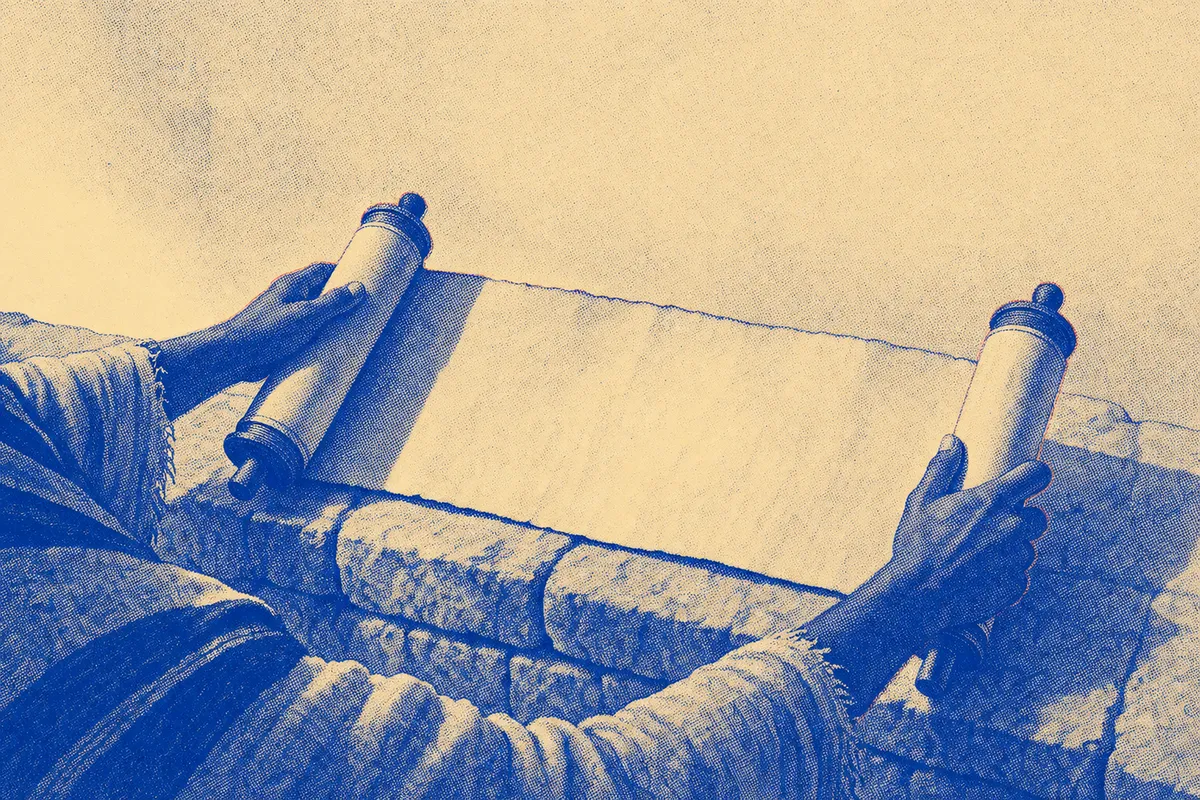
The passage is short. Jesus replies to what he has been asked by announcing a timing: “The hour has come for the Son of Man to be glorified.” Then he says what that hour will look like, and it is not what anyone would expect. “Truly, truly, I tell you, unless a kernel of wheat falls to the ground and dies, it remains only a seed; but if it dies, it bears much fruit.”
Notice how plain the image is. A kernel of wheat is a small, hard, dry thing. Held in the hand, it is complete. It can sit in a jar for years and remain exactly what it is. That is the point of the phrase “it remains only a seed.” The word only is the sting. Staying whole and safe is not neutral. A seed kept from the ground never becomes anything more than a seed.
The text does not say the dying is pleasant, and it does not say the ground is kind. It says the kernel falls and dies. Burial is the way it happens. Whatever fruit there is comes through a place that looks, from above, like an ending. Which means a loss and a planting can look identical on the first day. Same dark, same silence, same absence of evidence. The difference is not visible at the time. It shows up later.
Then the passage turns personal, and it is the hardest sentence in it: “Whoever loves his life will lose it, but whoever hates his life in this world will keep it for eternal life.” It is easy to hear this as contempt for being alive, but it sits right beside an image of abundant fruit, so that reading does not fit. The contrast is between holding and releasing. To love your life in this sense is to grip it, to insist that it stay in the shape you gave it. To hate it, in the sense Jesus uses here, is to loosen the grip when the hour asks for that. This is not a demand that you feel nothing. Grief is not a failure to loosen. It is what an open hand feels like.